
Moving to Mesa, AZ: A Complete Apartment Guide for 2026
By: Morgan Wagner, Catie Bliss
Apartment hunting in Mesa can feel straightforward at first… until everything starts to blend together.
You open listing after listing, every community claims a “prime location,” and before long, it’s hard to tell what actually matters versus what just looks good online.
If you’re moving to Mesa, AZ, the goal isn’t just to find an apartment—it’s to find the right area, the right commute, and the right fit for how you actually live day to day.
Mesa is one of the fastest-growing parts of the Phoenix metro, and for good reason. It offers a different pace than Phoenix or Tempe while still keeping you connected to everything in the Valley. But where you land within Mesa can completely shape your experience.
This guide breaks down what to expect, where to live, and how to navigate the apartment search with a little more clarity.
Why People Are Moving to Mesa (and Not Just Phoenix)
For years, Phoenix has been the default destination in the Valley. Lately, though, more renters are choosing Mesa instead—and it’s not hard to see why.
Mesa offers a little more breathing room. It feels more residential, a bit more spread out, and often easier to navigate on a daily basis. You still have access to major job centers, entertainment, and dining, but without the same level of density and congestion you find in central Phoenix.
There’s also a noticeable shift in how Mesa has developed over the past few years. New retail, updated infrastructure, and thoughtfully built apartment communities have made it a much more appealing option for people who want convenience without the intensity of a downtown environment.
For many, Mesa ends up striking a balance in Arizona that’s hard to find elsewhere in the metro.
Mesa Neighborhoods, Decoded — Where Should You Live?
Mesa is larger than most people expect, and each area has a distinct feel.
Downtown Mesa has evolved into a more walkable, connected hub, especially with light rail access. It tends to attract people who want a bit more energy without going all the way into Phoenix.
Toward East Mesa, areas like Las Sendas and Red Mountain feel more residential and scenic. You’re closer to hiking and outdoor space, and the pace is noticeably quieter.
Eastmark is one of the newer, master-planned areas and has a very polished, community-driven feel with newer builds and organized spaces.
Near ASU Polytechnic, the environment leans more academic and practical, with quicker access to campus and surrounding employers.
Then there are central Mesa corridors, which often offer the best balance of location and accessibility. These areas tend to give you strong connections to major roads, shopping, and daily essentials without committing you to one specific type of lifestyle.
Where you choose to live in Mesa ultimately depends on how you want your everyday routine to look—not just how far you are from a certain point on the map.

Cost of Living in Mesa vs Phoenix vs Tempe
Mesa generally offers more space for the price compared to Phoenix and Tempe, especially when it comes to apartments.
While pricing varies by neighborhood and property type, many renters find that Mesa apartments deliver a better balance between cost and livability. You’re often able to get larger layouts, more parking availability, and fewer high-demand premiums than you might see closer to dense urban cores.
Tempe, for example, tends to come with higher pricing in areas near ASU, while Phoenix pricing can vary widely depending on proximity to downtown and major employment centers.
Mesa sits in a middle ground where cost still matters, but value tends to stretch a bit further.
Commute Times — Light Rail, Loop 202, and US-60
One of the biggest factors in choosing where to live in Mesa is how you’ll get around.
The Loop 202 and US-60 are two of the main arteries connecting Mesa to the rest of the Valley. Living near either can significantly shorten commute times, especially if you need regular access to Phoenix, Tempe, or Scottsdale.
The light rail is another important option, particularly for those living closer to Downtown Mesa. It provides a direct connection into Tempe and Phoenix, which can make commuting more predictable without relying entirely on driving.
What matters most isn’t just distance—it’s how easily your location connects to where you go most often. In Mesa, a well-placed apartment can save you more time than one that’s technically closer but harder to access.
Mesa’s Apartment Communities (and How to Choose)
When it comes to apartments in Mesa, AZ, it’s less about finding a single “best” option and more about understanding how different communities align with different lifestyles.
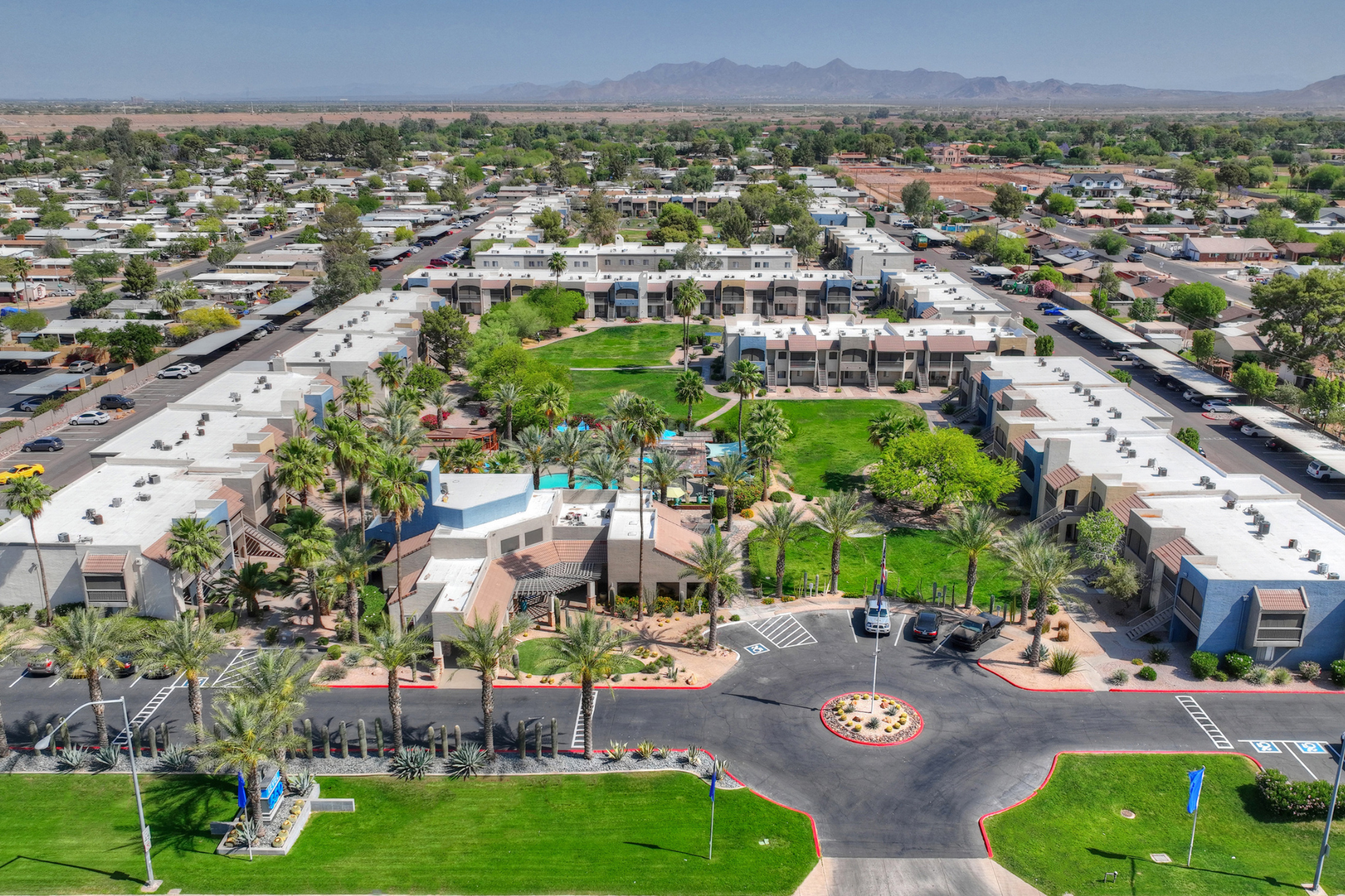
Across Mesa, you’ll find a mix of newer, amenity-driven communities and more established properties that prioritize space and simplicity. The four Aspen Square communities in the area each fall into slightly different categories, which is useful when you’re trying to narrow down your options.
Beacon at 601, located in a central Mesa corridor, tends to feel balanced and approachable. It offers a mix of updated interiors and shared spaces that support both relaxation and day-to-day functionality. It often appeals to renters looking for something that feels comfortable and social without being overly busy.
Level 550 leans more toward an active, amenity-driven lifestyle. Its layout and features are designed around having options on-site, which can make it appealing if you want your community to double as a place to unwind, stay active, or spend time outside your apartment without leaving home.
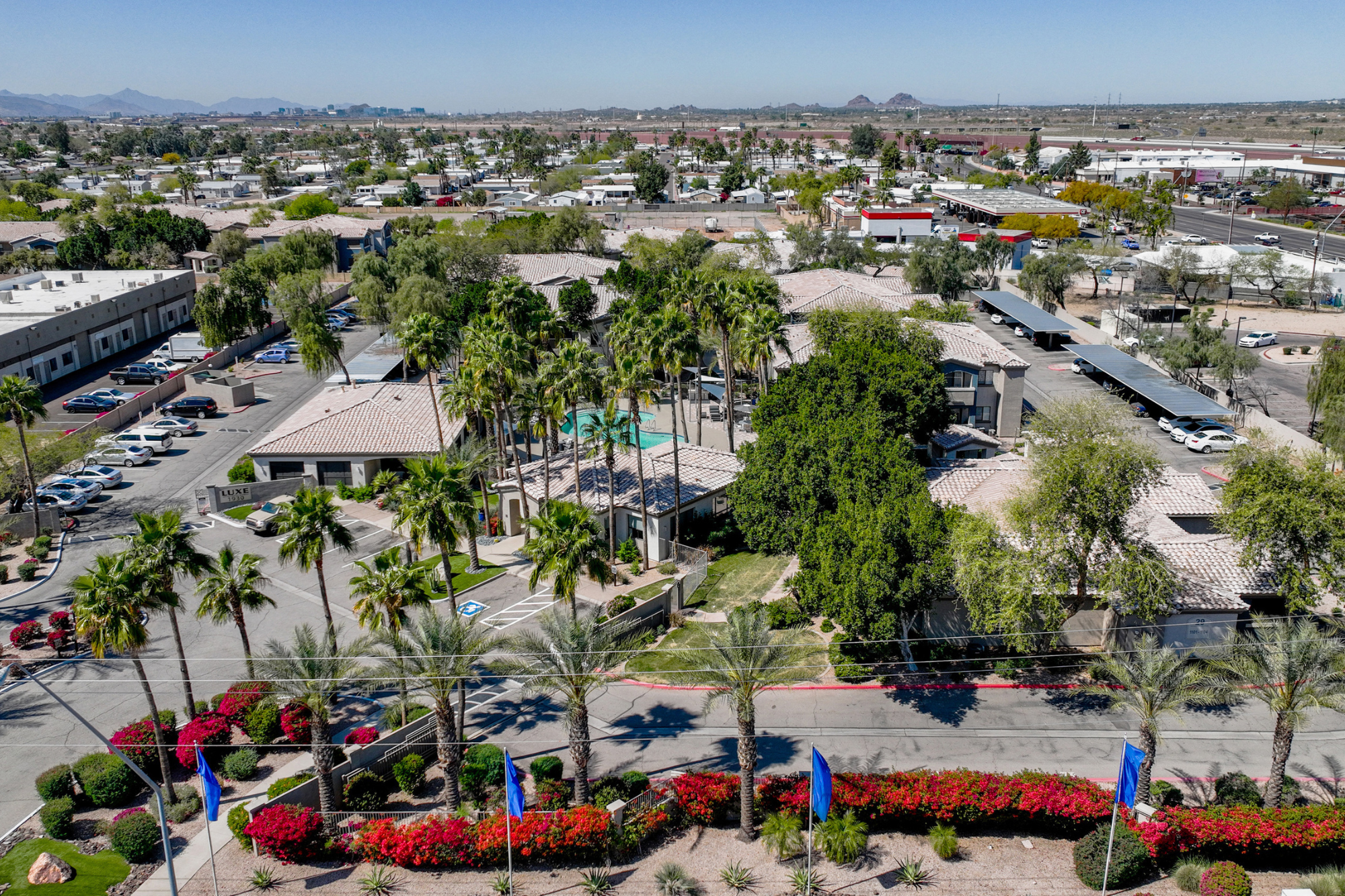
Luxe 1930 stands out for its emphasis on space and layout. Apartments here tend to feel more open and flexible, which can make a difference if your living situation requires a bit more room to spread out or create separation between different uses of space.
Exchange on the 8 takes a more modern, streamlined approach. The focus is on convenience and efficiency, with features designed to simplify daily routines and create a more seamless living experience.
There are also a few other well-known apartment communities throughout Mesa that follow similar patterns, offering a mix of location-based advantages, newer finishes, and varying amenity packages. The key difference usually comes down to how well the layout, location, and overall feel match your lifestyle.
Rather than trying to compare everything at once, it’s often more effective to narrow your search to a few communities that align with how you actually live.
FAQs About Moving to Mesa, AZ
Is Mesa, AZ a good place to live?
Mesa is often considered one of the more balanced cities in the Phoenix metro. It offers accessibility, growing infrastructure, and a more manageable pace compared to denser areas, while still keeping you connected to major destinations.
How does Mesa compare to Phoenix or Tempe?
Mesa tends to feel more spread out and residential, while Phoenix offers a more urban environment and Tempe has a stronger focus around ASU and nightlife. The right choice depends on whether you prioritize energy, convenience, or a quieter routine.
What should I look for when apartment hunting in Mesa?
It helps to focus on location first, especially proximity to major roads or transit routes. From there, layout and everyday functionality tend to matter more than long lists of amenities.
Are there good options for different lifestyles in Mesa?
Yes, Mesa’s size and variety mean you can find communities that lean more social, more private, more modern, or more spacious depending on what you’re looking for.