
Renting on the Kansas Side vs. the Missouri Side of Kansas City: How to Choose
By: Catie Bliss
If you're planning a move to the Kansas City metro area, one of the first decisions you'll face has nothing to do with apartment amenities or square footage. It comes down to geography. Should you rent on the Kansas side or the Missouri side of Kansas City?
Unlike most metropolitan areas, Kansas City spans two states. While the city itself is often discussed as a single region, crossing the state line can affect everything from taxes and vehicle costs to commute times and rental prices. Understanding those differences can help you choose the side that best matches your priorities and budget.
The One Decision Every Kansas City Renter Makes First
For many newcomers, Kansas City initially feels like one market. In reality, it's a collection of cities, suburbs, and neighborhoods spread across both Kansas and Missouri.
Whether you're considering Shawnee, Overland Park, and Lenexa in Kansas or North Kansas City, Lee's Summit, and Independence in Missouri, you'll quickly discover that state policies play a major role in day-to-day living. The differences are often practical rather than dramatic, but they can have a measurable impact on your monthly expenses and overall lifestyle.
Before signing a lease, it helps to compare factors such as taxation, commuting, vehicle ownership costs, and rental inventory instead of focusing solely on the state line itself.
What Actually Changes When You Cross the State Line?
Moving from one side of the metro to the other doesn't mean entering a completely different world. Residents throughout the region share the same major employers, entertainment districts, shopping destinations, and sports teams.
What does change are several key financial and logistical considerations:
- Local tax obligations
- Vehicle registration requirements
- Personal property taxes
- Housing and rental costs
- Daily commute patterns
- Access to different employment centers
These are the factors that typically have the greatest influence on renters deciding where to live.
Taxes: The Kansas City, Missouri Earnings Tax
One of the most talked-about differences between the two sides of the metro is the Kansas City, Missouri earnings tax.
Kansas City, Missouri imposes a 1% earnings tax on wages earned within city limits. This tax applies to residents of Kansas City, Missouri and to many people who work within the city, even if they live elsewhere.
For renters considering the Missouri side, this additional tax can be an important budget consideration.
The situation can become more complex if you live in Kansas and work in Kansas City, Missouri. Depending on your work arrangement and tax circumstances, you may still be subject to the earnings tax. Because tax situations vary, it's wise to consult current city guidance or a tax professional before making a relocation decision.
For some renters, the earnings tax is a minor consideration. For others, particularly higher earners, it can noticeably affect annual take-home pay.
Vehicle Registration and Personal Property Tax: The Cost Many Renters Overlook
Renters often focus on monthly housing expenses while overlooking vehicle-related costs.
Missouri assesses personal property tax on vehicles, which can become an annual expense for residents. Vehicle owners are responsible for paying this tax based on the assessed value of their cars.
Kansas generally approaches vehicle taxation differently through registration and property tax structures that vary from Missouri's system.
The result is that two renters with identical vehicles could experience different ownership costs depending on which side of the state line they call home.
If you own multiple vehicles or a newer vehicle with a higher assessed value, comparing annual vehicle expenses may be just as important as comparing monthly rent.

Rent and What Your Money Gets You
Rental prices vary across the Kansas City metro, but broad patterns do exist.
Many Kansas-side communities in Johnson County, including Shawnee, Lenexa, and Overland Park, tend to offer newer apartment inventory and a significant selection of professionally managed communities. Renters often find modern floor plans, updated amenity packages, and recently developed neighborhoods throughout the area.
On the Missouri side, renters can find a wider mix of housing options, including historic buildings, urban apartments, suburban communities, and a range of price points.
Rather than asking which side is cheaper, it's often more helpful to consider what your rental budget can secure in a specific location. A renter prioritizing access to downtown Kansas City may evaluate options differently than someone focused on suburban living or proximity to Johnson County employers.
The best approach is to compare current listings in your target locations and evaluate value based on commute, apartment features, lease terms, and overall monthly costs.
Commuting Across the State Line
Thousands of metro residents cross the Kansas-Missouri border every day, making interstate commuting a normal part of life in Kansas City.
Major routes such as I-435, I-70, I-35, and Shawnee Mission Parkway connect communities throughout the region and provide access to key employment centers.
That said, commute times can vary significantly depending on when and where you travel.
You may find that living farther from work but near a major highway creates an easier daily commute than living closer geographically but dealing with congestion or indirect routes.
Before choosing an apartment, consider:
- Your primary workplace location
- Typical work hours
- Frequency of downtown travel
- Access to major highway corridors
- Remote or hybrid work flexibility
Testing your expected commute during peak traffic hours can provide valuable insight before you sign a lease.
Who Each Side Tends to Suit
There's no universal "better" side of Kansas City. The best choice depends on your practical priorities.
The Kansas Side May Appeal to You If:
- You work in Johnson County.
- You want to minimize cross-state commuting.
- You prefer newer apartment inventory.
- You want to avoid Missouri's personal property tax structure.
- You spend most of your time in western parts of the metro.
The Missouri Side May Appeal to You If:
- You work in Kansas City, Missouri.
- You want proximity to downtown employment centers.
- You prefer a broader mix of housing styles.
- You frequently travel throughout eastern portions of the metro.
- Your preferred neighborhoods and destinations are primarily on the Missouri side.
Ultimately, commute, housing costs, and day-to-day convenience are usually stronger decision factors than the state boundary itself.

Where to Rent on the Kansas Side
For renters who decide the Kansas side is the right fit, Shawnee offers convenient access to employment centers throughout Johnson County while maintaining easy connections to the broader Kansas City metro.
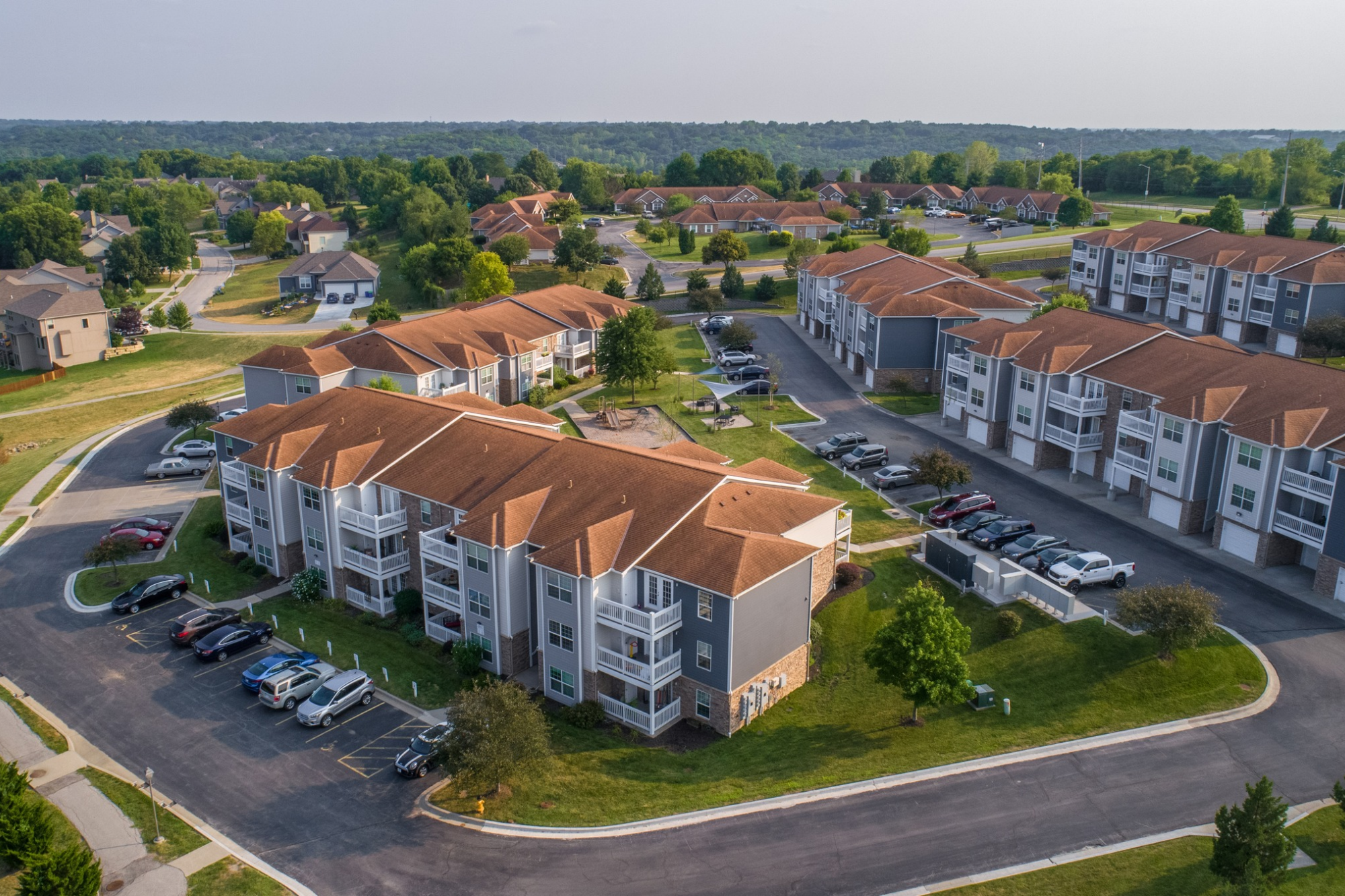
Communities such as Lenox West provide a Kansas-side option for renters seeking modern apartment living in Shawnee. Located within Johnson County, the community offers access to major commuting routes that connect residents with destinations throughout the region.
If you're still weighing Kansas versus Missouri, touring properties on both sides of the state line can help clarify which location best matches your daily routine and priorities.
Frequently Asked Questions
Is it better to live in Kansas or Missouri if I work in Kansas City?
It depends on where your workplace is located and how much commuting you're willing to do. Many workers successfully commute across the state line, but proximity to work often has a bigger impact on quality of life than which state you choose.
Do I have to pay the Kansas City earnings tax if I live in Kansas?
Possibly. If you work in Kansas City, Missouri, the city's earnings tax may apply. Review current regulations or consult a tax professional for guidance on your specific situation.
Is rent cheaper on the Missouri side of Kansas City?
Not always. Rental prices vary substantially by city, neighborhood, property age, and amenities. Comparing individual communities is usually more useful than comparing states as a whole.
Can I easily commute between Kansas and Missouri?
Yes. Interstate commuting is common throughout the Kansas City metro, and major highways connect communities on both sides of the state line.
What should renters compare besides rent?
Taxes, vehicle ownership costs, commute times, lease terms, and access to employment centers can all affect the true cost of living in a particular location.
Is Shawnee a good choice for renters working in Johnson County?
For many renters, Shawnee provides convenient access to employment centers throughout Johnson County while offering quick connections to the larger metro area.
Does the state line affect where I can work?
No. Residents routinely live in one state and work in the other. The primary considerations are commute times and tax implications rather than employment restrictions.
What is the biggest difference between renting on the Kansas side and the Missouri side?
For many renters, the most meaningful differences are taxes, vehicle-related expenses, commuting patterns, and the type of rental inventory available in each area.